Paid-vote fundraisers can raise real money and deepen supporter engagement when nonprofits run them transparently, price them clearly, and keep the contest framed as a donation, never as influence over a public election. The best next step is a small pilot: pick one contest, set a simple price per vote, run a short voting window, and communicate the rules plainly before launch.
TL;DR:
- Use a flat $2 vote price or test 10 votes for $15, and cap the voting window at 2 to 4 weeks to maintain momentum.
- Give nominees a photo, caption, and voting link; send three email reminders, including a final message 24 to 48 hours before closing.
- Keep copy focused on the nonprofit’s own contest, never public elections; set device or card limits and pause voting if confirmed vote rates drop sharply.
- Track net revenue after processing fees, new email signups, and repeat giving; thank every voter within 48 hours and share how funds will be used.
Table of Contents
- How a donate-to-vote fundraiser actually raises money
- Contest formats nonprofits run most often
- Setting up your campaign: nominees, pricing, and payments
- Getting the word out: email, social, SMS, and partners
- Staying compliant: legal limits and practical safeguards
- Turning vote totals into measurable, lasting support
- What organizers get wrong about paid-vote campaigns
- Running your paid-vote fundraiser on Izivote
- FAQ
- Sources
How a donate-to-vote fundraiser actually raises money
A paid-vote fundraiser lets supporters cast votes for a nominee or entry by making a small payment, often $1 to $5 per vote, with the option to buy vote packages at a discount for larger amounts. The organizer sets up a voting page, nominees recruit their own supporters, and a payment processor handles each transaction as it comes in.
The math is simple to model: if 400 supporters each buy an average of 3 votes at $2 per vote, that is 1,200 votes and $2,400 in gross contributions before any processing costs. The real value often extends past that number.
- Nominees recruit their own networks, bringing in people who have never donated before.
- Every vote purchase is a chance to capture an email address for future appeals.
- Contests generate organic social sharing that a standard donation ask rarely produces.
Contest formats nonprofits run most often
Format choice depends on audience size, season, and how easy it is for nominees to rally a network.
- Pet photo contests work well for animal shelters and humane societies, where owners submit photos and ask friends and family to vote.
- Calendar contests fit organizations that want a tangible product and a reason to keep fundraising across the full year, since the calendar itself becomes a thank-you gift.
- Student and youth awards, like “most spirited” or academic recognition contests, engage school communities and parent networks.
- Community “best of” awards suit chambers of commerce and local nonprofits that want to highlight small businesses or volunteers while drawing in civic pride votes.
Each format succeeds by giving nominees a personal reason to share the voting link, which is what pulls in supporters beyond the organization’s existing donor list.
Setting up your campaign: nominees, pricing, and payments
A clean setup process prevents most of the problems that derail paid-vote campaigns. Start with nominee intake: collect a photo, a short bio, and a consent form, and build in an approval step so every entry meets your guidelines before it goes live. Think about accessibility too, including alt text for photos and a mobile-friendly voting page, since most votes will come from phones.
Pricing works best when you test a simple structure rather than overcomplicate it:
- A flat per-vote price, such as $2 per vote, is easiest for supporters to understand.
- Vote packages, like 10 votes for $15, encourage larger single purchases.
- A capped voting window, typically 2 to 4 weeks, creates urgency without fatiguing supporters.
Before launch, confirm your payment processor, decide whether purchases qualify for a tax receipt in your jurisdiction, and write a plain-language refund policy since vote purchases are generally treated as nonrefundable donations. Configure your leaderboard to update in near real time so nominees and voters stay motivated to check back.
Pro Tip: Run a 48-hour internal test with a handful of staff votes before the public launch to confirm pricing, payment flow, and leaderboard display all work as expected.
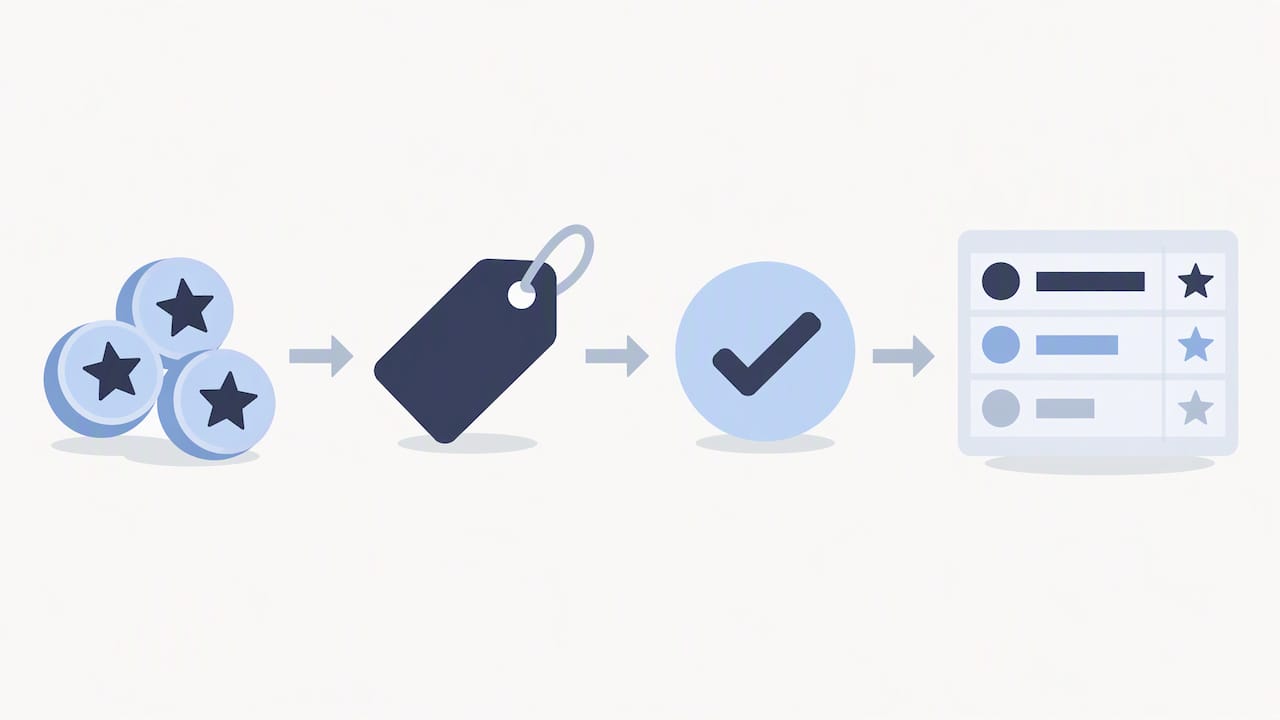
On launch day, monitor the voting page load speed, confirm payment confirmations are arriving, and check that every nominee’s page displays correctly on mobile.
Getting the word out: email, social, SMS, and partners
Votes come from channels you already have plus a few you build out for the contest. Email remains the backbone: send an announcement when voting opens, a midpoint reminder highlighting leaderboard standings, and a last-call message in the final 24 to 48 hours.
- Give each nominee a simple toolkit: a profile photo, a pre-written social caption, and their direct voting link.
- Post leaderboard updates on social media to create momentum and light competitive pressure among nominees.
- Use SMS reminders for supporters who have opted in, since text messages tend to get read faster than email during a short voting window.
- Bring in sponsors or local business partners to match a portion of votes or offer a prize, which widens your promotional reach beyond your own list.
- Tie the finale to a live event, like an announcement at a gala or community gathering, to convert online momentum into in-person attendance.
Nominee-driven sharing is usually what separates a contest that raises a modest amount from one that significantly outperforms expectations, since each nominee effectively becomes a volunteer fundraiser for their own entry.
Staying compliant: legal limits and practical safeguards
Paid-vote contests for awards, calendars, or community recognition are not the same as voting in a public election, but the line needs to stay clear in how you frame the campaign. Federal law prohibits knowingly and willfully paying or offering to pay someone to vote in a federal election, and willful violations can carry penalties of up to two years in prison. That prohibition applies to public elections, not to a nonprofit’s own fan or award contest, but the safest practice is to keep your messaging unmistakably about your organization’s contest and never reference candidates, ballots, or public office in any way.
A nonprofit voter engagement toolkit recommends that 501©(3) organizations keep any civic engagement work strictly nonpartisan, a principle worth carrying into your contest naming and promotional copy even though the contest itself is unrelated to public voting.
- Monitor the ratio of initiated to confirmed votes and pause the campaign if it drops sharply, which can signal fraud or a technical failure.
- Set a per-device or per-card rate limit to prevent one supporter from flooding the leaderboard.
- Send a clear payment receipt for every vote purchase that states the amount and the campaign it supports.
- Define escalation rules in advance, including who reviews flagged activity and when to pause voting.
Turning vote totals into measurable, lasting support
Track a short list of numbers during and after the campaign: total votes sold, net revenue after processing costs, new email signups, social share rate, and how many one-time voters convert into recurring donors afterward. These figures tell you whether the contest is working as a fundraiser, an engagement tool, or both.
- Send a thank-you message within 48 hours of the contest closing, thanking everyone who voted, not just the winner’s supporters.
- Follow with a short impact story showing what the funds raised will support.
- Invite new contacts to subscribe to your newsletter or join a recurring giving program while their interest is still fresh.
- Use this campaign’s analytics, including peak voting times and nominee performance, to set pricing and timing for your next one.
What organizers get wrong about paid-vote campaigns
Most organizers underestimate how much of the revenue comes from nominee networks rather than existing donors, and they overestimate how much a longer voting window helps. A tight, well-promoted two-week contest usually outperforms a drawn-out one that loses momentum. The organizations that do well treat the first contest as a pilot: small scope, clear pricing, and a plan to follow up with every new contact afterward.
— Joshua
Running your paid-vote fundraiser on Izivote
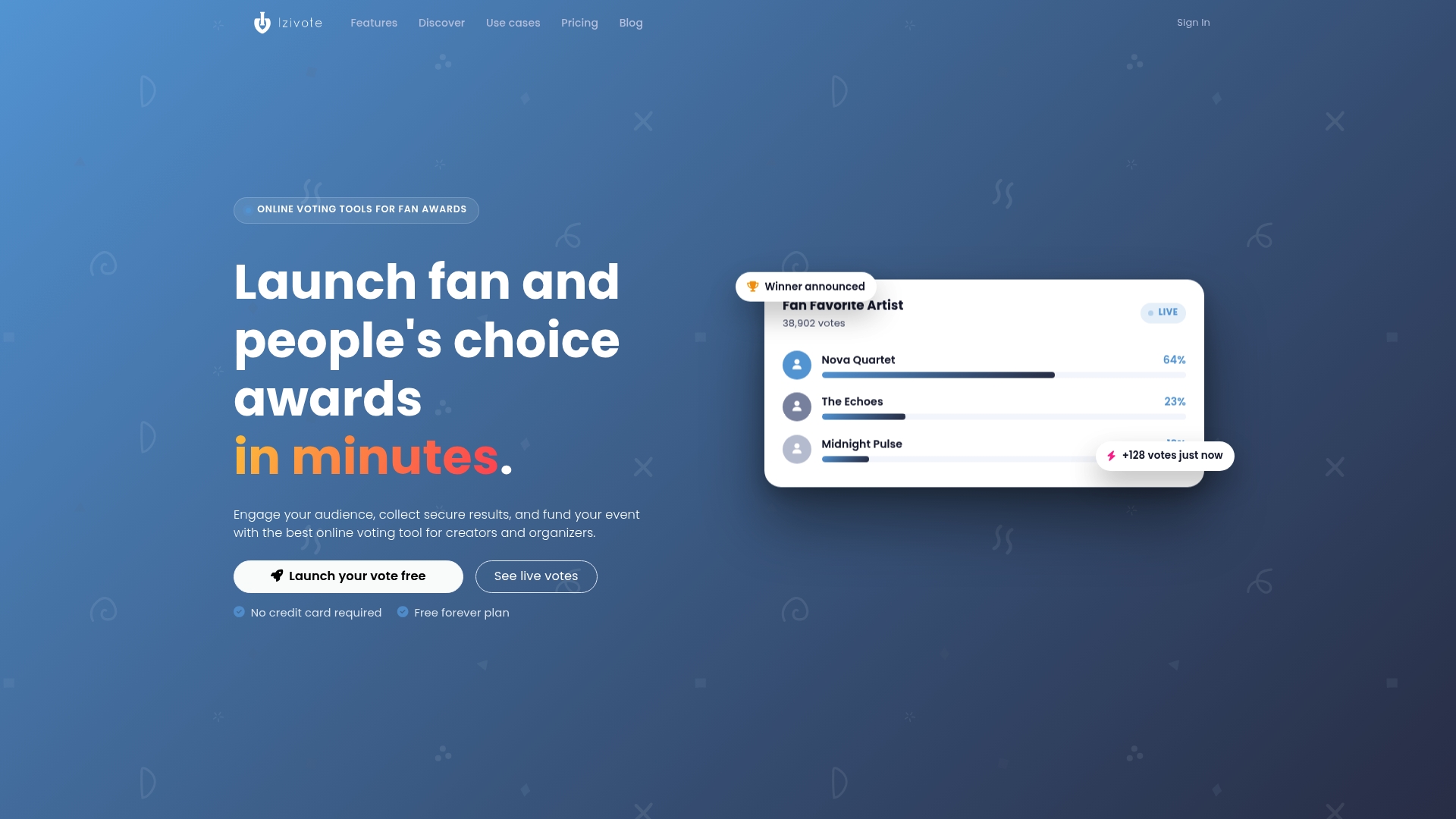
Our platform is designed for public, nominee-driven contests nonprofits rely on for this kind of fundraising. Paid voting is handled directly through our paid voting platform, where you set your own price per vote and payment is processed without needing a separate system bolted on. Nominee profiles, embeddable voting pages, and a real-time leaderboard are part of the setup, so results update as votes come in rather than waiting on a batch report.
- Explore our people’s choice use case for layout and format ideas that fit community and fan-driven contests.
- Review plan pricing, including a Free plan with no published price, Pro at $6 per month or $60 per year, and Premium at $14 per month or $140 per year, plus a 10% platform fee per paid vote.
- Check our feature set to see how leaderboards and analytics are configured before you launch.
If you are ready to test a pilot contest, start on our pricing page to pick the plan that fits your first campaign size.
FAQ
Is it legal to charge people to vote in a nonprofit contest?
Yes, charging for votes in your own award, calendar, or community contest is a common nonprofit fundraising practice distinct from voting in public elections. The federal prohibition applies specifically to paying someone to vote in a federal election, so keep your contest framed clearly around your own cause and avoid any election-related language.
How much should we charge per vote?
Most nonprofits start with a simple flat price, such as $2 per vote, then add discounted packages like 10 votes for $15 to encourage larger purchases. Testing one structure in a small pilot before scaling up helps you find what your specific audience responds to.
What if a vote purchase needs a refund?
A clear, published refund policy stated before launch, typically noting that vote purchases are nonrefundable donations, prevents most disputes. Sending an immediate payment receipt that states the amount and campaign name also builds trust and reduces refund requests.
How do we prevent fraud during a paid-vote contest?
Set rate limits per device or payment method and monitor the ratio of initiated to confirmed votes throughout the campaign, pausing if that ratio drops unexpectedly. Defining escalation rules and who reviews flagged activity before launch keeps your team ready to respond quickly if something looks off.
How do we turn contest voters into long-term supporters?
Follow up within 48 hours with a thank-you message, then share a short story about what the funds raised will support. Inviting new contacts to join your newsletter or a recurring giving program while their interest is fresh is one of the more reliable ways to convert a one-time voter into a repeat supporter.
Sources
For legal boundaries, review the nonprofit voter engagement toolkit and the AFJ guidance on incentives. For campaign planning tactics that pair well with contest promotion, see this digital campaign planning guide.
- Can a Nonprofit Provide Incentives to Encourage Citizens to Register to Vote, to Vote, or to Reward Them for Doing so? — Americans for Justice
- Nonprofit VOTE — Voter Engagement Toolkit (2026)
Leave a Reply