Paid voting runs through standard e-commerce processors, typically Stripe, which can keep card numbers off the voting server when the platform uses a hosted payment page or another outsourced card-handling approach. Organizers set a price per vote, the platform adds its own fee on top of whatever the processor charges, and fees may be deducted before money reaches an organizer’s account. The biggest operational risk isn’t the payment itself: it’s a chargeback, which can put the funds at risk after the fact.
TL;DR:
- Before launch, confirm the payout country, connect and verify the processor account, match the payout currency to your bank, and check when funds will arrive.
- Platform fees commonly range from 10% to 20%, separate from processor charges; calculate both deductions before setting vote prices or projecting net revenue.
- Organizers typically have 7 to 21 days to submit dispute evidence, so retain transaction records, timestamps, receipts, and the corresponding voting log.
- Keep payment tokens separate from ballot identifiers, preserving records needed for refunds and disputes without exposing voter identity or compromising election privacy.
- Successful refunds usually appear on voters’ statements within 5 to 10 business days, although some local payment methods require extra steps and can take longer.
Table of Contents
- Which payment methods do voting pages accept?
- How does money move from voter to organizer?
- How much do platform and processor fees cost organizers?
- What happens when a voter disputes a payment?
- Why voting payments need different safeguards than normal transactions
- What operators learn the hard way about paid voting payments
- Let payment handling run itself so you can run the event
- FAQ
- Sources
Which payment methods do voting pages accept?
Most voting pages accept a narrow, familiar set of payment methods because that’s what keeps checkout fast and dispute handling predictable. Voters expect to pay the way they pay everywhere else online, and platforms benefit from sticking to rails with well-documented dispute rules.
- Credit and debit cards, processed through a hosted checkout rather than a custom form when the platform uses an outsourced card-handling approach
- Digital wallets, where available, which may make mobile checkout more convenient
- Region-specific local payment methods, where available, though these often carry different dispute timelines than card networks
The reason most platforms use a hosted payment page, an iFrame, or client-side tokenization instead of building their own card form is simple: it keeps raw card data off the voting server entirely. The PCI Small Merchant Guide recommends exactly this approach, outsourcing card handling to a compliant third party rather than storing or transmitting cardholder data directly. That can matter for a voting platform, since separating payment data from ballot records helps protect voter privacy.
How does money move from voter to organizer?
There are two dominant patterns for routing paid-vote revenue, and the difference matters for how quickly organizers see their money and how much setup work falls on them upfront.
In the first, payments land directly in the organizer’s own payment processor account, with the platform fee deducted at the time of transaction. In the second, the platform collects funds centrally and issues a manual payout later, which adds a step but may simplify onboarding for organizers who prefer not to set up their own merchant account.
Before opening a paid voting page, organizers typically need to:
- Pick a payout country, since this determines available currencies and banking rails.
- Connect a Stripe account and complete identity verification.
- Choose a payout currency that matches the organizer’s bank account.
- Confirm the payout timing for the chosen payment setup.
Dashboards generally show fees and earnings at the transaction level, so organizers can see exactly what was charged, what was deducted, and what cleared. That transparency is worth checking before launch, not after the first dispute arrives.
Pro Tip: Verify your payout country and email address before enabling any paid voting page. Mismatches here may delay payouts.
How much do platform and processor fees cost organizers?
Platform fees on paid voting commonly fall in a range of roughly 10% to 20% per transaction, and Izivote states a 10% platform fee on its pricing page. That fee is separate from whatever the card processor charges, which is deducted where the payment actually lands rather than by the voting platform itself.
The math organizers need is straightforward: net payout equals the vote price, minus the platform fee, minus the processor fee. Say a voter pays $1.00 for a single vote. A 10% platform fee removes $0.10, and typical processor fees take another small cut before the remaining balance reaches the organizer’s account.
- Track the clearing balance, the available balance, and the requested versus paid amounts separately if using a manual payout path.
- Reconcile per-transaction detail in the dashboard against bank deposits, since timing between the two can differ by several days.
What happens when a voter disputes a payment?
Disputes on paid votes follow the same lifecycle as any other card transaction: an initial inquiry or pre-dispute phase, followed by a formal dispute if unresolved. According to Stripe’s dispute documentation, organizers typically have a 7 to 21 day window to respond with evidence, and the full process can take up to three months to resolve. That window is tight, which is why evidence needs to be ready before a dispute ever arrives.
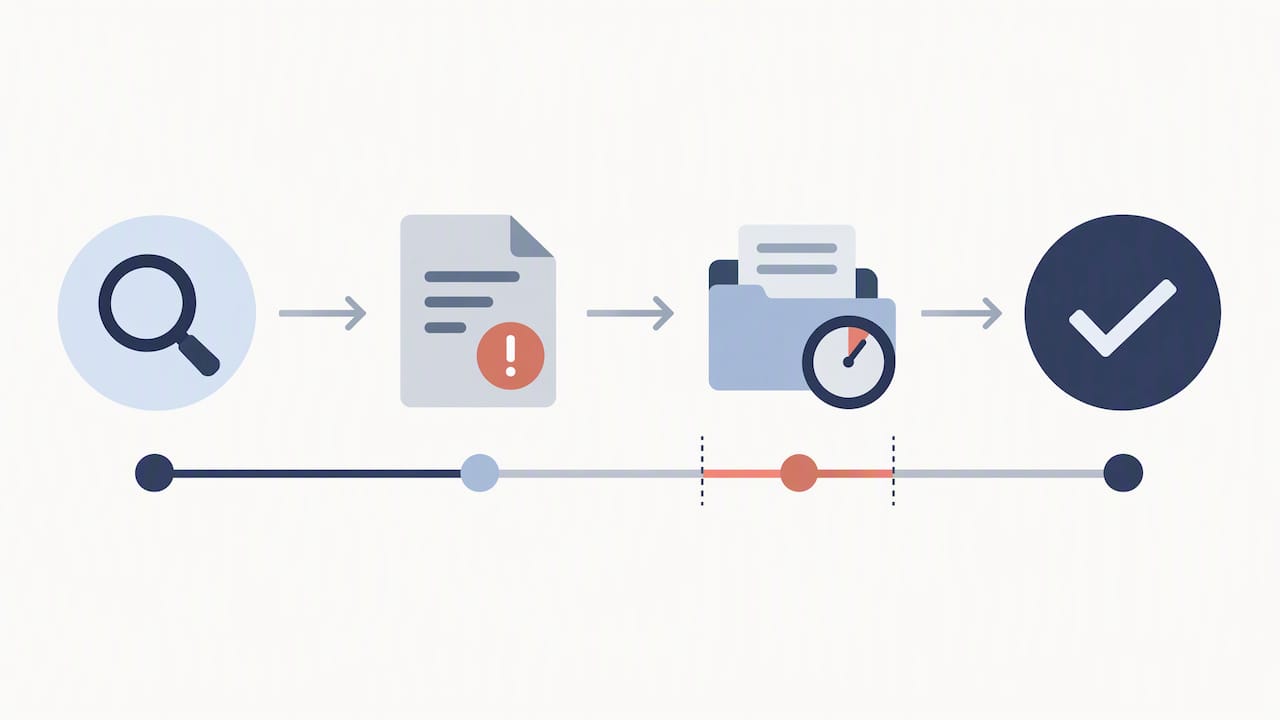
Disputed funds may be debited from the organizer’s account, and dispute fees may apply. The outcome determines whether the disputed funds are returned and whether any dispute fee applies.
To defend a contested charge, organizers should keep:
- The original transaction record, including timestamp and amount
- The voting log tied to that specific transaction
- Any voter confirmation data, such as a receipt or confirmation email
Successful refunds, by contrast, usually post to the voter’s statement within 5 to 10 business days, though some local payment methods require additional steps that can extend that window.
Why voting payments need different safeguards than normal transactions
Financial systems are built around recoverability: if something goes wrong, insurance, chargebacks, and legal recourse can usually make the affected party whole again. Voting systems can’t rely on the same safety net. An academic analysis from Harvard’s Civil Rights-Civil Liberties Law Review explains that voting transactions carry different threat models and privacy requirements than financial ones, which is part of why the two domains stay distinct even when they intersect on a single platform.
Voting demands properties that financial transactions don’t: anonymity, receipt-freeness, and resistance to coercion. A financial remedy, reversing a charge or refunding a fee, does nothing to repair a compromised election result. That’s why platforms that combine payment and voting need to unlink the payment token from the ballot identifier rather than treating a vote as just another purchase record.
In practice, this means keeping enough payment evidence to handle a refund or dispute, such as a transaction ID and timestamp, while minimizing any link between payment information and ballot identity. Features such as bulletin boards, encrypted ballots, and independently checkable tally proofs can help protect election integrity when payments are part of the process. Payment handling and ballot handling can share an interface without sharing the same privacy rules.
What operators learn the hard way about paid voting payments
The organizers who avoid payout surprises are the ones who treat payment setup as a pre-launch checklist, not an afterthought. Connect and verify payout details before the first paid page goes live. Set clear, simple price points per vote rather than a confusing tier structure, and choose a minimum price high enough to cover fixed processor fees so low-priced votes are less likely to leave little after fees.
Dispute readiness matters just as much as setup. Keep relevant payment records organized so they can be gathered if a dispute arises. If a dispute lands inside that narrow response window, the evidence is already organized rather than assembled under pressure.
Pro Tip: On manual payout paths, check whether processor fees are deducted before the payout reaches you. That detail changes what price you should set to hit a target net earning.
— Joshua
Let payment handling run itself so you can run the event
Running paid voting shouldn’t mean learning payment plumbing on the fly. We built our platform to support paid voting and apply a transparent 10% platform fee.

Whether you’re running a people’s choice award or a fan-funded competition, our paid voting setup lets you run paid voting. Check our pricing page or create a free vote before you launch.
FAQ
What payment processor do voting platforms typically use?
Most paid voting platforms route card payments through a third-party processor like Stripe rather than handling card data themselves. Using an outsourced payment setup can keep cardholder information off the voting server, though the platform may still have PCI DSS responsibilities.
How long do organizers have to respond to a voting payment dispute?
Organizers typically have a 7 to 21 day window to submit evidence once a dispute is filed, and the full resolution process can take up to three months. Evidence should include the transaction record and the voting log tied to that specific payment.
How much is the platform fee on paid votes?
Izivote charges a 10% platform fee on every paid vote, separate from whatever the payment processor charges.
Can a refunded vote be removed from the results?
Refund and vote-removal policies depend on the platform’s specific rules, since a refund is a payment event while a cast vote may be handled as a separate record. Successful refunds typically post to the voter’s statement within 5 to 10 business days.
Why can’t voting platforms just use normal banking security?
Voting requires properties that banking doesn’t, including anonymity and resistance to coercion, which an academic comparison of voting and financial transactions ties to differing threat models. Financial remedies like chargebacks can fix a billing problem, but they can’t repair a compromised election result.
Sources
- How disputes work | Stripe Documentation
- Guide to Safe Payments
- Why-voting-transactions-are-different-from-financial- …
Leave a Reply